

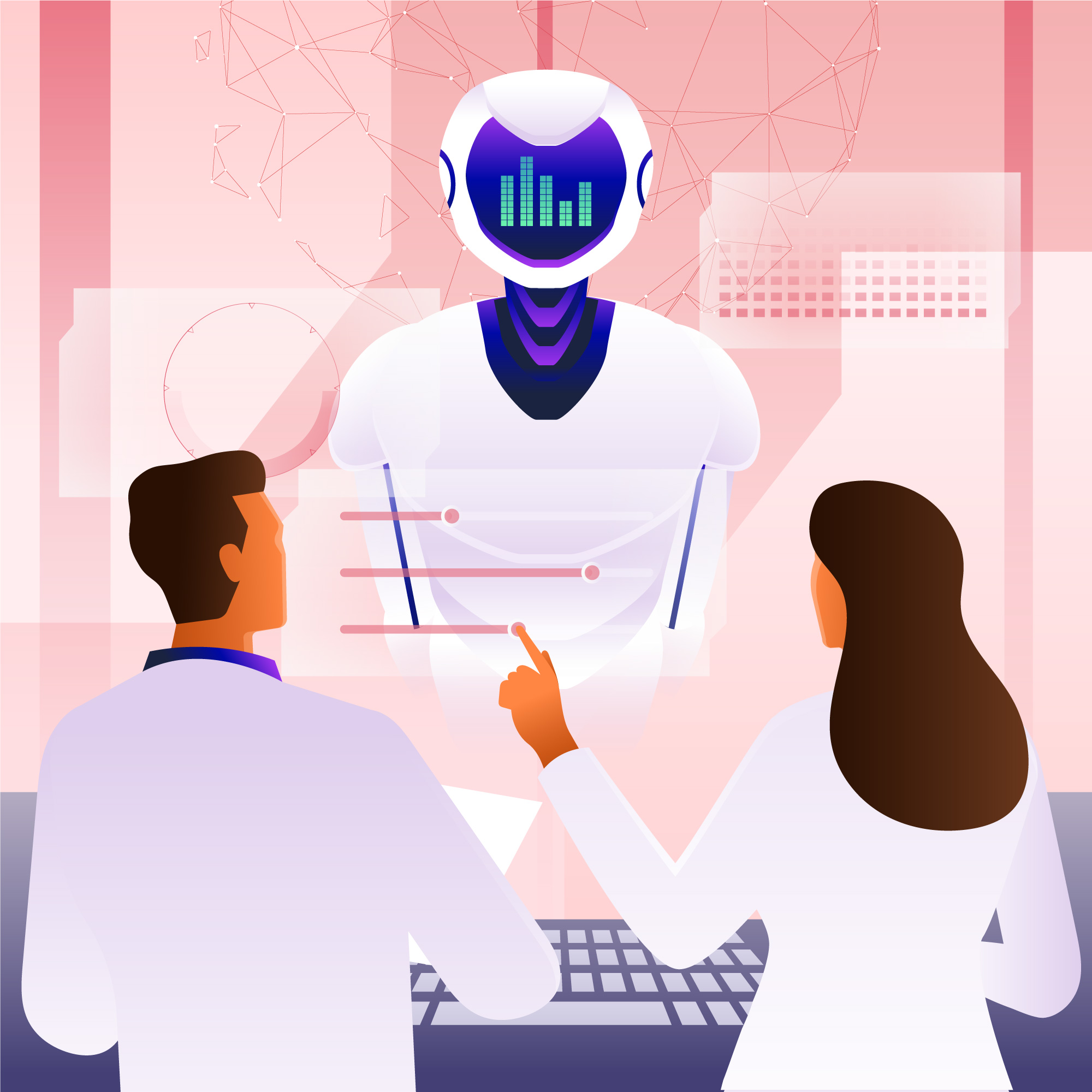
Artificial intelligence (AI) and machine learning (ML) are making waves in the outsourcing industry, transforming how businesses source talent, manage projects, and deliver results. With the rise of automation technologies, outsourcing is becoming smarter, faster, and more efficient. In this article, we explore how AI is revolutionizing talent sourcing, project management, and team dynamics, leading to more accurate decision-making and improved outcomes for businesses and their outsourced teams.
1. AI in Talent Sourcing: Smarter, Faster, and More Accurate Matches
- AI-Powered Talent Matching:
One of the most significant ways AI is enhancing outsourcing is through talent sourcing. AI-powered platforms now have the capability to scan and analyze vast databases of resumes, portfolios, and online profiles. Using machine learning algorithms, these platforms can identify the best-fit candidates based on a variety of factors, including skills, experience, cultural compatibility, and past performance. This automated approach significantly reduces the time and effort required to find suitable talent, making the recruitment process more efficient and accurate. - Enhanced Candidate Screening:
AI systems go beyond keyword matching, diving deep into the nuances of candidate qualifications. They can evaluate a candidate’s soft skills, work ethic, and adaptability by analyzing data from previous projects, social media profiles, and even work samples. This allows companies to make more informed hiring decisions and ensures that the talent they choose can succeed in the specific needs of the project. - Predictive Analytics for Talent Retention:
Beyond recruitment, AI is also being used to predict which outsourced workers are likely to stay with a company for the long term. By analyzing historical data, AI systems can identify patterns and indicators that suggest long-term engagement, such as a candidate’s previous job stability and satisfaction levels. This helps businesses create more effective retention strategies and maintain a stable, committed workforce.
2. AI and Machine Learning in Project Management
- Automated Project Planning and Scheduling:
Managing projects with outsourced teams can be a complex task, especially when team members are spread across multiple time zones. AI is simplifying this process by automating project planning and scheduling. AI-driven project management tools analyze project timelines, resource availability, and team workloads to create optimized schedules that maximize efficiency and reduce delays. These systems can also adjust plans in real-time as new variables or challenges arise, allowing businesses to stay on track even in fast-changing environments. - Real-Time Performance Monitoring:
AI tools can track and analyze team performance in real time, providing managers with actionable insights to optimize project delivery. These tools can automatically assess key performance indicators (KPIs), such as productivity, task completion rates, and collaboration levels. By continuously monitoring these metrics, AI allows managers to identify bottlenecks or underperformance early on, enabling them to take corrective actions before issues become critical. - AI-Driven Risk Management:
Another crucial area where AI is enhancing project management is risk mitigation. AI algorithms can predict potential risks—whether related to resource allocation, project scope, or external factors—and offer proactive solutions. This predictive approach enables businesses to make data-driven decisions that reduce the likelihood of project failure, saving time, money, and effort.
3. AI in Team Dynamics: Optimizing Collaboration and Communication
- Improved Collaboration Across Distributed Teams:
As outsourcing teams become increasingly distributed, ensuring smooth collaboration across different time zones and geographies is vital. AI can streamline communication by providing automated translation services, allowing teams to work together seamlessly, regardless of language barriers. Additionally, AI-driven tools can recommend the most suitable communication methods based on team members’ preferences and availability, ensuring that important information is shared efficiently and at the right time. - Smart Collaboration Platforms:
AI is also helping businesses foster collaboration by powering smart collaboration platforms. These platforms integrate with communication tools and project management systems to provide real-time collaboration opportunities and ensure that teams are working in sync. For example, AI can suggest which team member is best suited to take on a specific task based on their skills, availability, and past performance, optimizing team resources and improving overall efficiency. - Personalized Workflows:
AI can help create personalized workflows for team members based on their strengths and preferences, enhancing productivity. By analyzing how each individual works best, AI can assign tasks that align with their expertise and preferred working style. This personalization leads to greater job satisfaction and higher performance levels, which ultimately results in faster project delivery and better outcomes.
4. AI-Driven Decision-Making: Smarter, Data-Backed Insights
- Data-Driven Insights for Strategic Decision Making:
One of the most transformative benefits of AI in outsourcing is its ability to analyze massive amounts of data to provide actionable insights for decision-making. By processing data from multiple sources—such as project progress, team performance, market trends, and customer feedback—AI systems can offer data-backed recommendations to optimize project strategies, talent deployment, and business operations. This reduces the reliance on gut-feeling decisions and ensures that strategies are based on hard data. - Predictive Analytics for Business Growth:
AI’s predictive analytics capabilities also play a significant role in scaling businesses. By analyzing historical performance data, AI can predict future trends, helping businesses to make proactive decisions that drive growth. Whether it’s predicting demand for specific skills or forecasting the success of an outsourced project, AI ensures that businesses are always a step ahead, enabling them to stay competitive in the global marketplace.
5. The Future of AI in Outsourcing
- Continued Advancements in Automation:
As AI and machine learning technologies continue to evolve, the outsourcing industry will experience even greater levels of automation. We can expect to see more advanced AI solutions that can handle complex decision-making processes, including resource allocation, budget management, and strategic forecasting. These advancements will further streamline outsourcing operations and create even more opportunities for businesses to operate more efficiently and effectively. - Ethical Considerations and AI Transparency:
While AI offers significant advantages, it also raises ethical considerations, especially around data privacy, bias, and transparency. In 2024, businesses will need to prioritize ethical AI practices, ensuring that the technology is used responsibly and that outsourced workers are treated fairly. Companies will need to invest in AI systems that are transparent, explainable, and free from bias, ensuring that they can make decisions that align with their values and the well-being of their workforce.